All Categories
Featured
Table of Contents
Summary Influencer marketing has evolved considerably over the past years. It's broadened beyond stars to consist of social networks influencers who promote authentic connections and influence purchase decisions and brand reputation. Comprehending the types of influencers, from mega to nano in addition to brand name fit, is vital for brand names to select the ideal partners.
Common influencer marketing errors to avoid consist of failing to specify clear objectives and expectations, focusing on follower-count over engagement, disregarding influencer research and sharing uncertain briefs. Influencer marketing has become a cornerstone of effective social methods.
Today, a vast ecosystem of creators and influencers flourishes across numerous social platforms. While fan counts vary, their power lies in the capability to cultivate authentic connections and drive culture within niche communities, straight impacting brand engagement and driving concrete income. A well-defined and tactical technique to influencer marketing is vital for brands to break through the noise throughout organic and paid channels.
Transitioning to Next-Gen Social NetworksScaling Ecommerce Search Tactics for Traffic
Influencer marketing is a social media marketing technique that utilizes endorsements and item mentions from influencers. Influencer marketing works since of the high trust social influencers have constructed with their following over time.
Understanding the strategic distinctions in between affiliate marketing vs. influencer marketing is crucial to deciding whether to focus on instant sales or long-lasting brand credibility, amongst other advantages. Partnering with an influencer with countless followers may sound like a dream come to life, however they may not be the finest fit for your brand name.
Others boast smaller sized but more targeted and engaged communities. Understanding what each type of influencer can provide you in terms of reach, variety, expense and engagement is crucial to selecting the ideal ones for your brand name. Strategically balancing these various tiers needs a nuanced approach to your wider influencer collaborations, as the management design for a celeb often varies significantly from the hands-on partnership needed for a nano-influencer.
Their celeb status enables them to mesmerize a diverse audience, making them perfect for large-scale brand awareness campaigns. Think: Cristiano Ronaldo. Mega influencers can provide your brand name unrivaled direct exposure, but partnering with them can be exceptionally expensive. Plus, considering that their audience is often broad, their engagement rates may not be as high as influencers with smaller sized, more specific niche followings.
These influencers have made their credibility through consistent content creation and engagement in time, and are now believed leaders in their niche. Macro-influencers use a more targeted method compared to celebs, as their fans usually share typical interests. Teaming up with macro-influencers can offer your brand with significant reach, however it may still be reasonably expensive depending upon your spending plan.
Advanced SEO Strategies for E-Commerce GrowthOptimizing the Entire Customer Journey for Retention
These influencers typically have a strong presence on particular platforms, like Instagram, YouTube and TikTok. Online marketers enjoy working with micro-influencers as they captivate a specific niche, enthusiastic audience with their creative content, relatable suggestions and genuine interactions. They're likewise more budget friendly than larger influencers. Nano-influencers have between 1,000 to 10,000 followers.
While they use a smaller reach, nano-influencers can be outstanding partners for organizations who wish to target specific neighborhoods and demographics without breaking the bank. In truth, per the current Influencer Marketing Hub information, 44% of brands prefer to partner with nano influencers in 2024, compared to 39% in 2023.
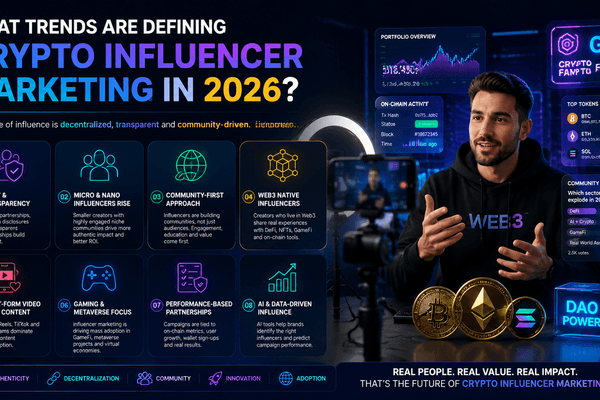
This suggests more tailored material for your brand and personal relationships within specific niche audiences and communities. They are perfect for organizations such as: Regional businesses targeting specific communities, cities or regions Small companies with restricted budget plans that wish to run affordable projects Craftsmen, home-based or speciality food businesses reaching a niche audience thinking about their distinctive items Influencer marketing can be an extremely effective marketing tool for you, and brands are currently using it to their advantage, as these influencer marketing examples show.
Next-Gen Social Ad Innovations Coming in 2026
Not surprisingly, the influencer marketing market is anticipated to reach a record high of U.S. $33 billion in 2025, according to Statista. Here are more reasons that you should add influencers to your marketing mix. Teaming up with an influencer draws a wider audience to your brand name. By including your brand in their content, these essential viewpoint leaders introduce it to brand-new audiences who may not have actually been familiar with it.

Latest Posts
The 2026 Outlook of Social Advertising Strategies
Top Digital Trends to Always Follow for 2026
Essential Digital Measurement Tutorials to Drive Growth