All Categories
Featured
Table of Contents
User reviews and UGC on Facebook/Instagram affect an approximated 2045% of purchases in social commerce contexts, depending upon classification and review visibility. Encourage UGC to improve conversion. A big share of catalog (product) sales typically originates from retargeting, typically around 6070%, with the remainder from prospecting; balance is campaign- and funnel-dependent.
Some ads do get declined and, even some advertisement accounts can get suspended. Mean rejection rates for advertisements due to policy issues hover around 15% of submitted creatives, though greater for sensitive verticals.
These Facebook ads statistics can help make essential decisions related to your ad campaign and help you prevent spending more than you should. To apply your technique to the maximum, you need accounts with fewer constraints and greater limits.
New Social Media Tactics to Watch
The professional consultancy from Uproas assists you make informed choices and stay up to date with the ever-changing data patterns. Usage Uproas accounts to get the most out of your Facebook ad campaigns with no disturbances. This is your facilities upgrade. Your whitelist. Your top access. Minimal gain access to. No BS. Just results.
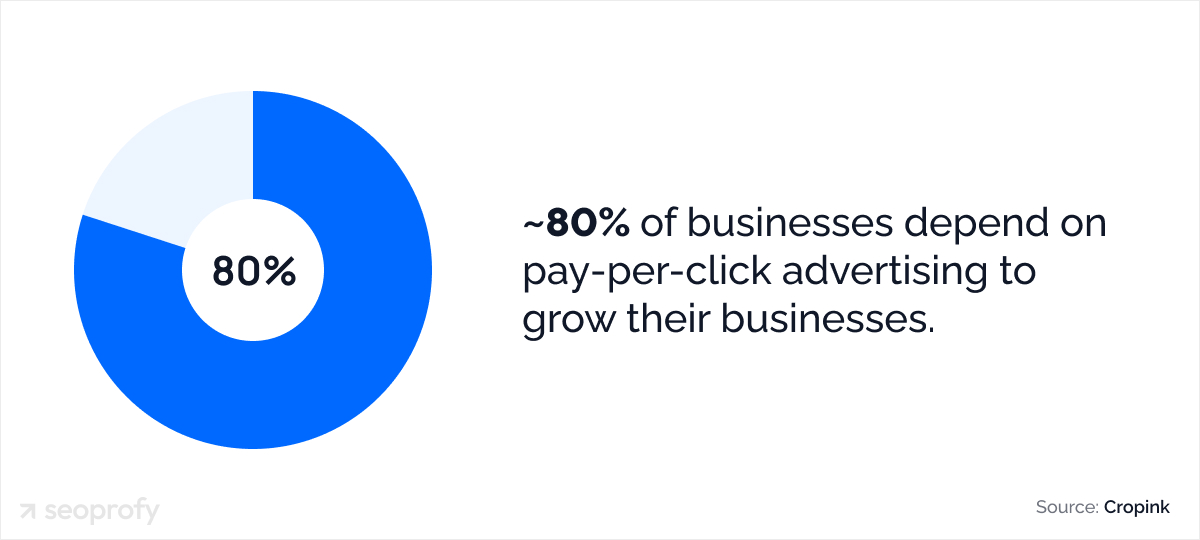
The landscape of Facebook marketing has actually moved beyond the era of manual optimization. By 2026, Meta has actually effectively transitioned from a social media platform with an ad supervisor into a completely incorporated, AI-driven marketing engine. For performance online marketers, User Acquisition (UA) managers, and growth leaders, this shift needs a complete rethink of how projects are structured and how success is determined.
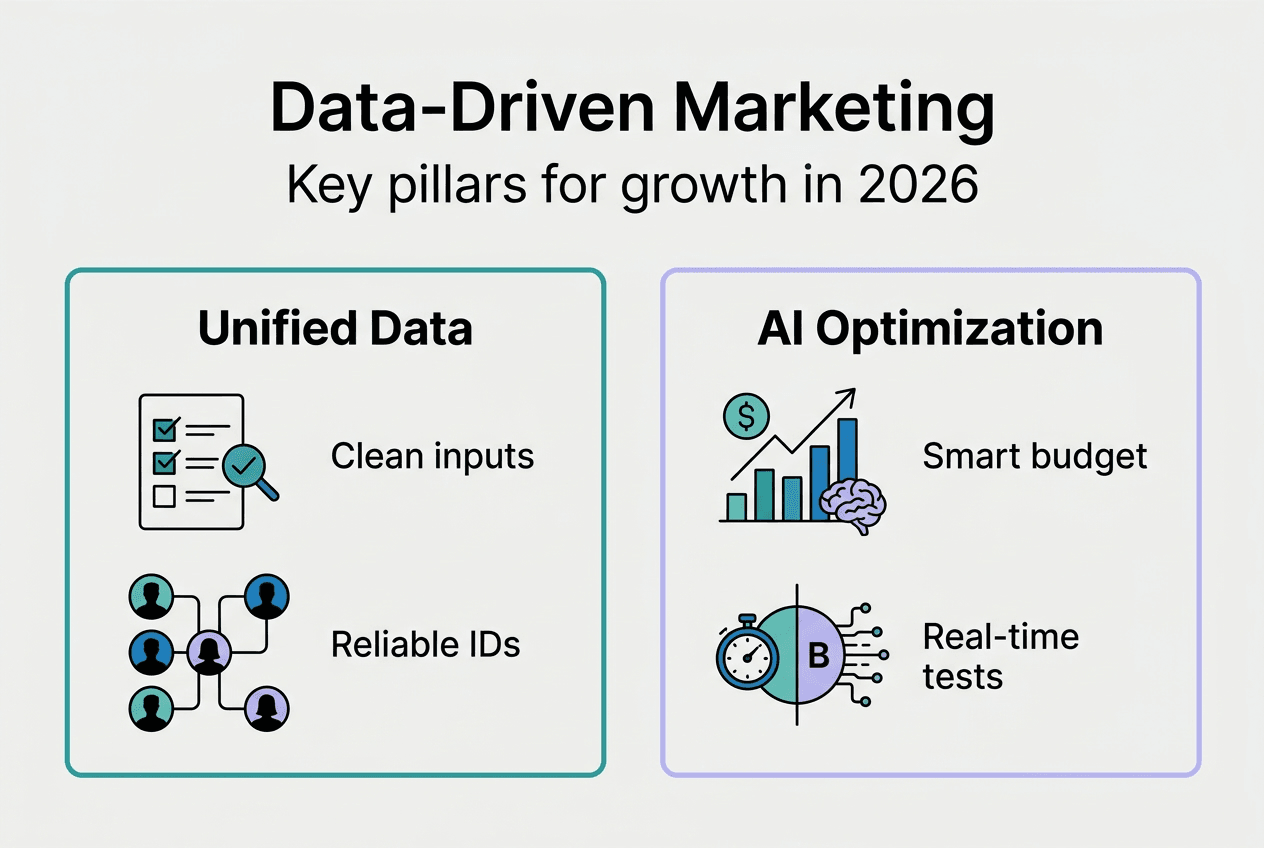
Rather, it is found in the quality of your information inputs and the intelligence of your innovative technique. As the platform approaches a "black box" design where AI manages most of targeting and bidding, your role has moved to being a "creative designer" and a "data custodian."This guide dives deep into the specific trends defining the Facebook Advertisements community in 2026, using actionable insights and structures to help you browse this high-velocity environment.
Read about the One of the most considerable shifts in 2026 is the expansion of Meta Search Advertisements. While Facebook and Instagram have typically been "discovery" platforms, they are now increasingly used for "search." According to market reports, a growing percentage of Gen Z and Millennial users use Instagram and Facebook as their main search engines for products, services, and local services.
High-Impact SEO Methods for Growing Retail StoresMaximising Store Rankings with Modern SEO
When a user look for "finest mobile games" or "sustainable skincare," Meta uses AI to serve advertisements that are contextually relevant to the search query and the user's previous behavior. For efficiency marketers, this implies: You must now enhance your advertisement copy and metadata for search intent within the Meta environment.

You need to track how search ads complement your discovery projects to understand the full consumer journey. By 2026, the Benefit+ suite has actually matured from a set of optional features into the core operating system of Meta advertisements.
By giving the AI more liberty to find conversions across all of Meta's surface areas (Facebook Feed, Instagram Stories, Reels, Audience Network), you reduce the danger of audience saturation and bidding spikes. This includes: Sending deep-funnel occasions (like "purchase" or "subscription") via CAPI to train the AI.
Making sure the AI-generated variations stay within brand name guidelines. In 2026, imaginative production is no longer a traffic jam. Meta's native generative AI tools permit marketers to develop numerous variations from a single asset. The Advantage+ Innovative suite now includes: Instantly changing images to fit various aspect ratios (9:16 for Reels, 1:1 for Feed) without losing the focal point.
Digital Growth Tips for Digital Shops
Check out about the One of the most considerable shifts in 2026 is the expansion of Meta Browse Advertisements. While Facebook and Instagram have actually typically been "discovery" platforms, they are now significantly used for "search." According to market reports, a growing portion of Gen Z and Millennial users use Instagram and Facebook as their main search engines for products, services, and local organizations.
When a user look for "best mobile games" or "sustainable skincare," Meta uses AI to serve ads that are contextually relevant to the search query and the user's past habits. For efficiency marketers, this implies: You must now optimize your ad copy and metadata for search intent within the Meta community.
You require to track how search ads match your discovery campaigns to comprehend the full customer journey. By 2026, the Benefit+ suite has actually grown from a set of optional features into the core operating system of Meta advertisements.
The main advantage of this automation is "liquidity." By offering the AI more flexibility to find conversions throughout all of Meta's surfaces (Facebook Feed, Instagram Stories, Reels, Audience Network), you reduce the threat of audience saturation and bidding spikes. While the AI deals with the execution, the online marketer's task is to provide the "seed information." This consists of: Sending out deep-funnel occasions (like "purchase" or "subscription") through CAPI to train the AI.
Ensuring the AI-generated variations stay within brand name guidelines. In 2026, imaginative production is no longer a bottleneck. Meta's native generative AI tools allow advertisers to create hundreds of variations from a single property. The Benefit+ Imaginative suite now consists of: Automatically adjusting images to fit different aspect ratios (9:16 for Reels, 1:1 for Feed) without losing the focal point.

Latest Posts
The 2026 Outlook of Social Advertising Strategies
Top Digital Trends to Always Follow for 2026
Essential Digital Measurement Tutorials to Drive Growth